The History of Jewelry: From Ancient Symbols to Modern Statement Pieces

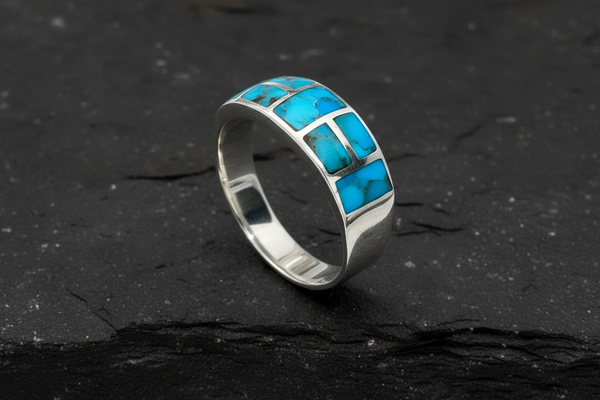
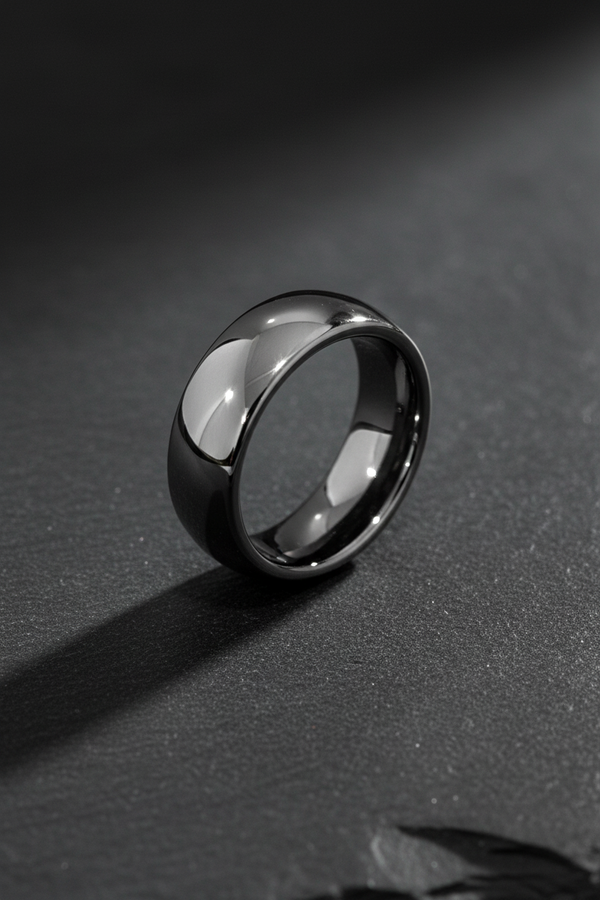
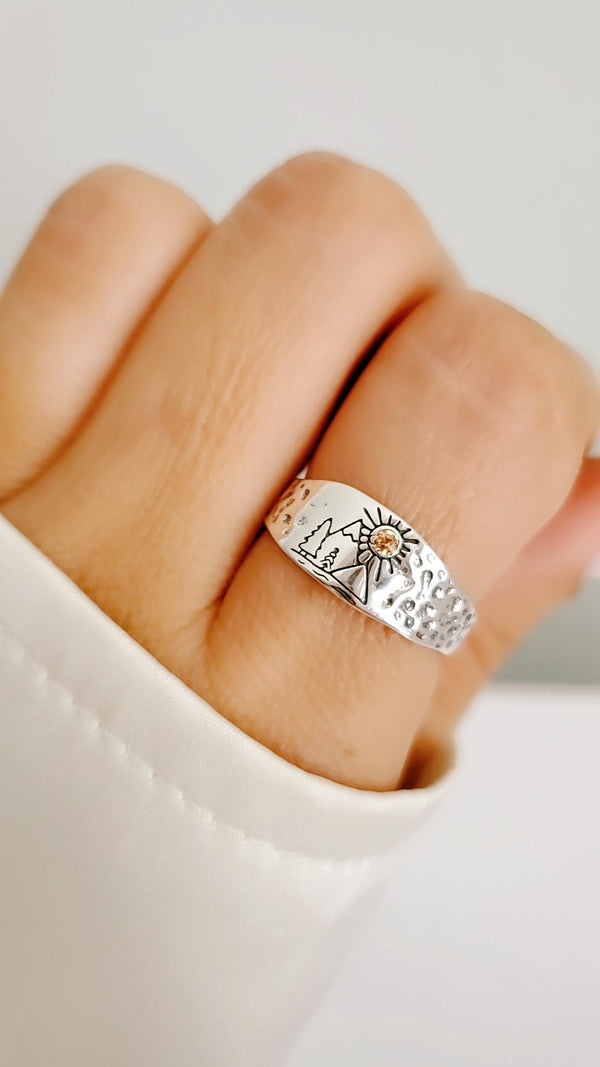
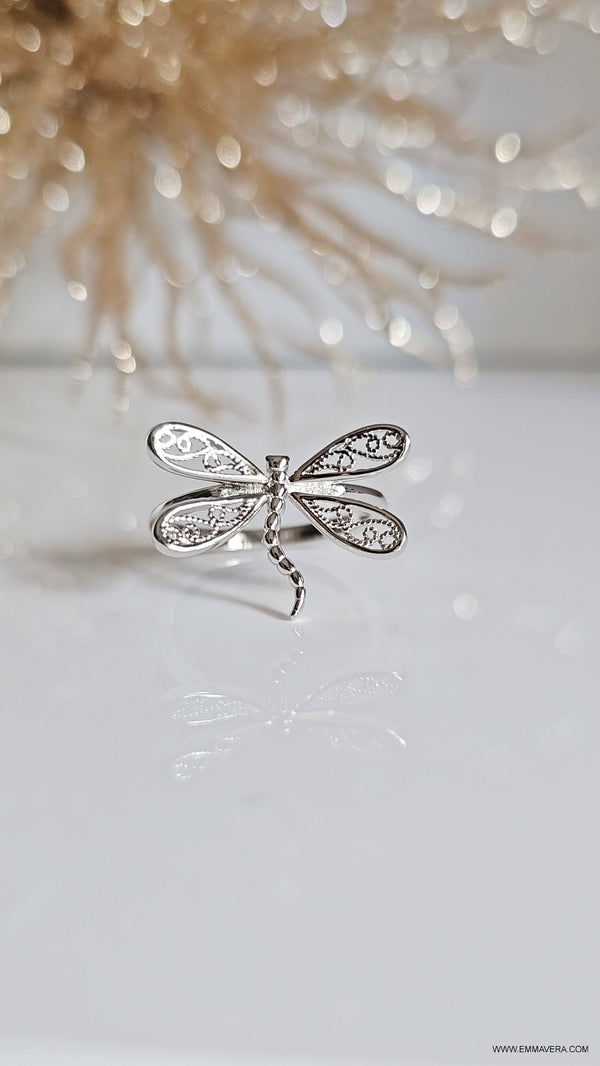
Close-up of a sterling silver Ring Lizard bracelet, representing the evolution of jewelry craftsmanship

Jewelry has captivated humanity for thousands of years, serving both decorative and symbolic purposes. Understanding its history enriches our appreciation for these beautiful pieces.

Ancient Beginnings

  • Egypt: Jewelry was believed to hold protective powers. Egyptians used gold, lapis lazuli, and turquoise.
  • Greece: Jewelry became a symbol of status. Gold was commonly used, often intricately designed.

Medieval and Renaissance Jewelry

  • During the Middle Ages, jewelry often featured religious themes. The Renaissance introduced elaborate designs and the use of gemstones.

19th and 20th Century Innovations

  • The Industrial Revolution brought mass production, making jewelry more accessible. Art Deco and Vintage styles became popular, influencing modern designs.

Modern Jewelry Trends

  • Today, trends include minimalism, personalized pieces, and sustainable practices. Ethical sourcing is a growing focus for many consumers.

Conclusion

The rich history of jewelry continues to evolve. Explore the timeless collections at RingLizard.com, where tradition meets modern elegance.

Close-up of a sterling silver Ring Lizard bracelet, representing the evolution of jewelry craftsmanship

The Ring Lizard Journal

From Ancient Symbols to Modern Statements

The fascinating story of how jewelry became part of who we are.

A journey through thousands of years of craftsmanship, symbolism, and personal style.

Timeless Beauty. Distinctly Yours.

Jewelry has never been just about looking beautiful.

For thousands of years, people have worn jewelry to express identity, celebrate important moments, show status, carry symbols of protection, and tell stories without saying a word.

A ring could represent loyalty. A pendant could carry personal meaning. A bracelet could become a treasured family heirloom.

And although styles, materials, and techniques have changed dramatically over the centuries, one thing has remained remarkably consistent:

We wear jewelry because it means something to us.

Today, jewelry continues that tradition—only now, we have more freedom than ever to choose pieces that reflect our individuality.

At Ring Lizard Jewelry, we love that connection between the past and the present. Our designs draw inspiration from the character, symbolism, craftsmanship, and individuality that have made jewelry fascinating throughout history.

So, where did it all begin?

“Jewelry has never been just about looking beautiful.”

Through the Ages

A Journey Through Jewelry History

  1. Prehistory

    Ancient Beginnings

    Shells; bones; and stones became the first jewelry.

  2. c. 3100-30 BCE

    Ancient Egypt

    Gold and gemstones as beauty; status; and protection.

  3. c. 800 BCE-476 CE

    Greece & Rome

    Craftsmanship becomes an art form in itself.

  4. c. 500-1400

    Medieval Era

    Faith and symbolism take center stage.

  5. c. 1400-1600

    Renaissance

    Elaborate detail turns jewelry into wearable art.

  6. c. 1760-1840

    Industrial Revolution

    New manufacturing makes jewelry for more people.

  7. c. 1890-1910

    Art Nouveau

    Flowing lines inspired by nature.

  8. c. 1920-1935

    Art Deco

    Bold geometry and architectural form.

  9. Today

    Modern Jewelry

    Individuality; self-expression; and personal style.

Prehistory

Ancient Beginnings: When Jewelry Meant More Than Beauty

Long before jewelry became a fashion accessory, it served important cultural and symbolic purposes.

Some of the earliest jewelry was made from materials readily available in nature—shells, bones, teeth, stones, beads, and other organic materials. As civilizations developed metalworking and stone-cutting techniques, jewelry became increasingly elaborate.

c. 3100–30 BCE

Ancient Egypt: Beauty, Status & Protection

Ancient Egyptian jewelry is among the most recognizable in history.

Gold was highly valued, while colorful materials such as turquoise, lapis lazuli, carnelian, faience, and other stones were used to create striking combinations.

Jewelry was worn by both men and women and could represent adornment, social status, and spiritual protection.

Symbols mattered. Scarabs, lotus flowers, animals, gods, and other motifs could carry meanings that went far beyond decoration.

In other words, jewelry was already doing something we still see today: it was telling a story about the person wearing it.

Did You Know?

Ancient Egyptian jewelry could serve as adornment, a symbol of status, and a form of protection—all at once.

c. 800 BCE–476 CE

Greece & Rome: Jewelry Becomes Art

As Greek civilization expanded, Greek jewelry design became increasingly sophisticated.

Hellenistic artisans created earrings, necklaces, pendants, bracelets, armbands, rings, wreaths, and elaborate hair ornaments. Designs incorporated gemstones, pearls, enamel, intricate goldwork, and natural motifs such as leaves and animals.

Jewelry could also be deeply personal. Engraved gemstones were used as personal ornaments, seals, and identifying marks, while jewelry could be passed through families or dedicated as offerings.

Roman jewelry took its own direction, favoring onyx signet rings, cameos, and gold as public markers of citizenship, rank, and family lineage—jewelry as a quiet form of documentation, worn on the body.

The lesson is still relevant today: great jewelry combines craftsmanship with personality.

c. 500–1400

Medieval Jewelry: Symbolism Takes Center Stage

During the Middle Ages, jewelry often carried strong religious and symbolic meaning.

Crosses, devotional pieces, gemstones, rings, brooches, and elaborate metalwork became important forms of personal adornment.

Jewelry was also closely connected with wealth and social position. Precious materials were not simply beautiful—they communicated who someone was and, often, where they stood within society.

The idea of jewelry as a symbol of identity continued to grow.

c. 1400–1600

The Renaissance: Jewelry Becomes More Elaborate

The Renaissance brought renewed interest in art, craftsmanship, classical imagery, and detailed ornamentation, and Renaissance jewelry reflected all of it.

Jewelry became increasingly intricate, with gemstones, carved cameos, pearl and mother of pearl, goldwork, and symbolic motifs appearing in elaborate designs. Engraved gemstones could serve as personal identifiers, seals, ornaments, and treasured objects.

Portraiture from the period shows just how central jewelry had become to how people presented themselves—not an afterthought, but part of the composition.

This period helped establish an idea that still influences jewelry design today: a beautiful piece can also be a work of art.

c. 1760–1840

The Industrial Revolution: Jewelry for More People

For centuries, elaborate jewelry was largely associated with wealth and social status. Then technology changed everything.

Industrialization introduced new manufacturing techniques and helped make jewelry more widely available. Instead of jewelry being exclusively commissioned by wealthy individuals or produced by highly specialized artisans, new methods allowed more people to participate in changing fashion trends.

This helped transform jewelry from something primarily associated with wealth and ceremony into something increasingly connected with personal style.

c. 1890–1935

Art Nouveau & Art Deco: Two Very Different Visions

The late 19th and early 20th centuries brought some of the most recognizable jewelry movements in history.

Art Nouveau

Art Nouveau jewelry embraced flowing lines, flowers, insects, leaves, animals, and other elements from nature—a spirit you can still see in opal’s shifting, organic color. The style felt romantic and expressive.

Art Deco

Art Deco jewelry moved in almost the opposite direction. Geometric shapes, symmetry, bold lines, and architectural forms became defining characteristics—the same bold confidence we chase in our banded agate pieces.

Different eras. Different aesthetics. But the same desire: to create jewelry that stands out.

Then

Jewelry as symbolism, identity, protection, status, and tradition.

Now

Jewelry as individuality, fashion, self-expression, celebration, and personal style.


What Changed?

Materials evolved. Techniques became more sophisticated. Fashion trends changed.

What Didn’t?

People still use jewelry to tell their story.

Today

Jewelry Today: Your Style. Your Story.

Modern jewelry has become more personal than ever.

There are no longer strict rules about what jewelry should look like or who should wear it.

Minimalist pieces can be layered together. Vintage-inspired designs can be paired with modern clothing. Bold statement rings can become everyday signatures. Natural stones can add individuality and color.

And jewelry can mean whatever you want it to mean.

Maybe it’s a ring you wear every day. Maybe it’s a bracelet that reminds you of someone special. Maybe it’s a necklace you bought to celebrate yourself.

Or maybe you simply saw a piece and thought: “That’s so me.”

That’s the beauty of modern jewelry.

From Ancient Symbols to Modern Statements

When you look at jewelry throughout history, one thing becomes clear: trends change. Personal expression doesn’t.

The materials may evolve. Techniques become more sophisticated. Fashion comes and goes. But people still choose jewelry to express who they are.

That’s what makes a beautifully designed piece feel different from an ordinary accessory. It becomes part of your identity.

At Ring Lizard Jewelry, we believe jewelry should be distinctive by design—pieces with character, craftsmanship, and a sense of individuality. Every design starts with 925 sterling silver, the same material ancient and modern jewelers alike have trusted for its warmth, durability, and versatility.

From bold statement rings to meaningful designs inspired by nature, stones, symbols, and timeless craftsmanship, our sterling silver jewelry collections are created for people who don’t want their jewelry to look like everyone else’s.

From Our Bench

Still Made the Old-Fashioned Way

Every piece in our collection starts the same way jewelry always has—at a workbench, with silver wire and sheet, a hammer, and a lot of patience.

We shape, solder, and hand-polish each design ourselves, then pack every order with the same care we’d want if it were headed to our own front door—often with a handwritten note tucked inside.

It’s slower than mass production. We think that’s exactly the point.

7,200+

Pieces Sold

1,800+

5-Star Reviews

925

Sterling Silver

100%

Hand-Finished

Your Jewelry Should Be as Distinctive as You Are.

Discover pieces with character, craftsmanship, and timeless appeal—designed for the stories you create and the moments you remember.

Explore Ring Lizard Jewelry